 Olivia Bennett
Refined Livin – home cleaning habits are one of those topics people usually overcomplicate, then underdo. I have seen families spend money on sprays, gadgets, and “allergy” products, only to miss the simple stuff that keeps dust, dander, and mold from cycling back into the air again.
⚡ Quick Answer
Home cleaning habits work best when you remove allergens before they spread: vacuum carpets and upholstery with a HEPA filter weekly, damp-dust surfaces, wash bedding hot once a week, and keep indoor humidity near 30–50%. Those four habits cut the usual dust, pollen, and mold buildup fastest.

Why Home Cleaning Habits Matter More Than Expensive Allergy Products
The right home cleaning habits matter more than most allergy gadgets because indoor allergens build up in ordinary places like bedding, upholstery, and carpets, and the AAAAI’s indoor allergen guide says over 50% of homes have at least six detectable allergens. No home is allergen-free, but keeping yours clean and dry is one of the most reliable ways to lower exposure.
Here’s the part nobody tells you: a “clean-looking” room can still be an allergy trap. I once watched a family deep-clean only the visible surfaces, then wonder why the sneezing kept coming back every night. The problem was the sofa, the curtains, and the mattress edge that never got touched. It was the dust under the obvious dust.
Think of allergy cleaning like mowing a lawn before it turns into a jungle. If you let particles sit, they get walked on, stirred up, and spread from room to room. That is why a steady healthy cleaning routine usually beats a once-a-month blitz. For a broader reset, the healthy indoor living hub and these eco-friendly cleaning products fit this conversation naturally.
💡 Key Takeaway: Allergy control starts with consistency, not intensity. A few repeatable home cleaning habits do more than one dramatic cleaning weekend.
What Are the Biggest Allergy Triggers Hiding Inside Your Home?
The biggest indoor allergy triggers are dust mites, pet dander, mold, cockroach debris, and pollen tracked in from outside, according to the AAAAI and EPA. These are the usual suspects because they collect in soft surfaces, damp spaces, and the places people forget to clean often.
| Trigger | Where it hides | Best habit |
|---|---|---|
| Dust mites | Bedding, carpets, upholstered furniture | Wash fabrics hot, vacuum with HEPA |
| Pet dander | Sofas, rugs, pet beds, bedrooms | Clean pet zones more often |
| Mold | Bathrooms, basements, damp corners | Fix moisture fast, dry wet areas |
| Pollen | Entryways, hair, clothes, open windows | Remove shoes, clean entry surfaces |
Dust mites are the classic problem because they thrive in warm, humid places like mattresses, pillows, and soft furniture. The good news is that you do not need a perfect house to make progress; you need a drier, cleaner one. The EPA’s indoor air guidance and AAAAI both point to humidity control, vacuuming, and hot-washing bedding as the practical moves that matter most.
Pet dander and pollen are trickier because they move with people. Pet hair is visible, but the allergen particles are much smaller, which is why wiping down surfaces once in a while is not enough. What nobody tells you is that the entryway often matters just as much as the bedroom.
💡 Key Takeaway: The worst allergy triggers usually hide in soft fabrics, damp spots, and entry points. That is why allergy cleaning works best when it targets the places particles settle, not just the places you can see.
How Often Should You Clean to Reduce Allergens?
A healthy cleaning routine for allergies usually means a little every day, a proper reset once a week, and deeper fabric and filter care once a month. For most families, that rhythm keeps dust, dander, and mold from building up faster than a weekend-only clean.
Here is the simple version:
- Daily: wipe high-touch surfaces and keep floors clear.
- Weekly: vacuum carpets, rugs, and upholstery with a HEPA filter.
- Monthly: replace or clean HVAC and room-air filters on schedule.
- After spills or leaks: dry wet areas within 24 to 48 hours so mold does not get a head start.
If you ask me, this is where most people go wrong. They clean hard when they are already miserable, then do almost nothing for the next three weeks. Sound familiar? A healthier cleaning routine is more like brushing your teeth than spring cleaning.
How to Clean a House to Get Rid of Allergens
The best way to clean a house for allergens is to start high, move low, and trap particles instead of flinging them around. That means dusting with a damp cloth, vacuuming with HEPA filtration, and finishing with fabrics and filters, not the other way around. That sequence matters more than most people realize.
- Open windows only if pollen levels are low and the air outside is not making symptoms worse.
- Dust ceiling fans, shelves, and frames with a damp cloth so particles stay put.
- Vacuum carpets, rugs, sofas, and mattress edges with a HEPA-filter vacuum.
- Wash bedding, pillow covers, and washable throws in hot water once a week.
- Check bathrooms, laundry areas, and window edges for dampness or mold.
- Replace HVAC or room filters on schedule, not when they look filthy.
Here is the counterintuitive part: dry dusting often makes allergy symptoms worse, even though the room looks cleaner. A damp cloth is a better pick because it catches settled dust instead of sending it airborne again. That is a legit difference you can feel the same day, and CDC mold guidance backs the bigger moisture-control idea too.
If you want a related next read, the indoor air quality improvements guide pairs well with this routine, especially if you are also dealing with stale air or humidity swings.
💡 Key Takeaway: Clean in a way that traps allergens, not a way that stirs them up. Damp dusting, HEPA vacuuming, and fast moisture cleanup are the core moves.
Which Cleaning Habits Reduce Allergens the Fastest?
If your goal is to see the biggest improvement with the least amount of time, not all home cleaning habits deliver the same results. Based on guidance from the U.S. Environmental Protection Agency (EPA) and the American Academy of Allergy, Asthma & Immunology (AAAAI), the habits below consistently have the greatest impact because they either remove allergens from the home or prevent them from becoming airborne again.
| Cleaning Habit | Removes Allergens? | Time Needed | Best For | Recommendation |
|---|---|---|---|---|
| HEPA vacuuming | ⭐⭐⭐⭐⭐ | 20–30 min | Dust mites, pet dander | Best overall |
| Damp dusting | ⭐⭐⭐⭐☆ | 10–15 min | Fine dust, pollen | Do every few days |
| Washing bedding weekly | ⭐⭐⭐⭐⭐ | 15 min active | Dust mites | Essential for bedrooms |
| Humidity control (30–50%) | ⭐⭐⭐⭐☆ | Ongoing | Mold, dust mites | Worth doing year-round |
| Replacing HVAC filters | ⭐⭐⭐⭐☆ | 5 min | Whole-house air quality | Every 1–3 months |
The clear winner is a HEPA vacuum combined with weekly hot-water bedding washes. If you only have time for two habits, start there. Vacuuming removes allergens from carpets and upholstery, while washing bedding interrupts one of the biggest reservoirs of dust mites.
Answer: The fastest home cleaning habits for reducing allergens are vacuuming with a HEPA filter, washing bedding weekly in hot water, damp dusting instead of dry dusting, and maintaining indoor humidity between 30% and 50%. Together, these four habits target the majority of common indoor allergens.
Some people expect air fresheners or scented cleaners to help. They don’t. They may make a room smell cleaner, but fragrance doesn’t remove dust mites, pet dander, or pollen. In fact, heavily scented products can irritate sensitive airways.
How Can You Create a Healthy Cleaning Routine That Sticks?
The best cleaning routine is the one your family can actually maintain. A perfect schedule that lasts one week isn’t nearly as helpful as a realistic routine that becomes automatic.
Here’s a simple system that works well for most households.
- Assign one small cleaning task each day instead of saving everything for Saturday.
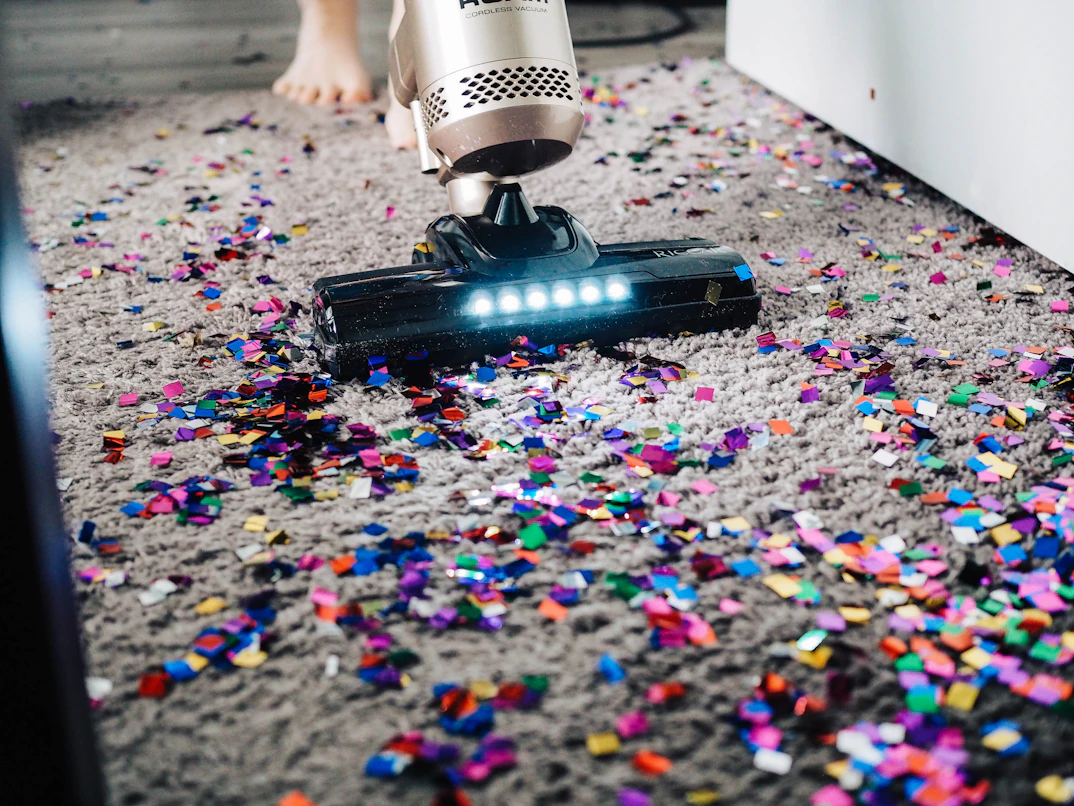
- Vacuum bedrooms and living areas once every week using a HEPA-filter vacuum.
- Wash bedding every seven days in hot water.
- Check bathrooms and kitchens for excess moisture before mold develops.
- Replace HVAC filters according to the manufacturer’s schedule.
- Review forgotten areas once each month, including curtains, ceiling fans, and under furniture.
If you’re trying to simplify your routine, our guide to daily cleaning habits for a healthier home makes a good companion to this article. Families who struggle with clutter may also benefit from these home organization habits, since fewer unnecessary items mean fewer places for dust to collect.
One habit I recommend more often than anything else is removing shoes at the door. It sounds almost too simple, yet it dramatically cuts the amount of pollen, soil, and outdoor particles that get tracked across your floors.
💡 Key Takeaway: The most effective healthy cleaning routine isn’t the most complicated one. It’s the routine your household can repeat every single week without feeling overwhelmed.
Common Allergy Cleaning Mistakes That Can Make Things Worse
Some cleaning habits actually increase allergen exposure even though they look productive.
The biggest mistakes include:
- Dry dusting with feather dusters that spread particles into the air.
- Vacuuming with worn-out filters that blow fine dust back into the room.
- Waiting until mold is visible before cleaning damp areas.
- Forgetting soft furniture, curtains, and pet beds.
- Using heavily scented products instead of removing the allergen itself.
Here’s where experience changes your perspective.
I’ve found that homeowners often spend twice as much time cleaning hard floors as upholstered furniture. Yet sofas, mattresses, and fabric dining chairs usually hold far more allergens than a kitchen floor. That’s one of those things that rarely gets mentioned in cleaning guides but makes a noticeable difference once you start paying attention.
If you’re looking for safer alternatives to traditional cleaners, you might also like our guides on non-toxic home products and natural air fresheners.
Frequently Asked Questions
How to clean a house to get rid of allergens?
Start from the highest surfaces and work downward so dust doesn’t settle onto areas you’ve already cleaned. Use a damp microfiber cloth instead of dry dusting, vacuum carpets and upholstery with a HEPA-filter vacuum, wash bedding weekly in hot water, and clean bathrooms before mold develops. Consistency matters much more than occasional deep cleaning.
How to neutralize allergens in the home?
Technically, most household allergens aren’t “neutralized.” They’re removed or reduced. The best approach is to vacuum with HEPA filtration, wash fabrics regularly, control indoor humidity between 30% and 50%, improve ventilation when appropriate, and replace HVAC filters according to schedule.
How to flush allergens out of your system?
Great question—and honestly, most people get this wrong. Cleaning your home reduces future exposure, but it doesn’t flush allergens from your body. According to allergy specialists, avoiding continued exposure, staying hydrated, and using saline nasal rinses when recommended by a healthcare provider can help relieve symptoms while your immune system settles down.
Can air purifiers replace regular cleaning?
Short answer: no. An air purifier captures airborne particles, but it won’t remove allergens already trapped in carpets, bedding, furniture, or curtains. The best results come from combining regular cleaning with good air filtration. If you’re considering one, our guide to bedroom air purifiers explains what to look for.
Are food allergies the same as dust or pet allergies?
No. Food allergies and environmental allergies involve different triggers, even though both involve the immune system. The well-known eight major food allergens account for most food allergy reactions, while dust mites, mold, pollen, and pet dander are the primary indoor allergens that this article focuses on.
Your Next Step Toward a Healthier Home
A healthier home rarely comes from one big purchase. More often than not, it comes from repeating a handful of smart home cleaning habits until they become second nature.
Start with the biggest wins: wash bedding every week, vacuum with a HEPA filter, keep humidity under control, and stop dry dusting. Once those become routine, everything else feels easier.
You don’t need a spotless house. You need a home where allergens have fewer places to hide.

Olivia Bennett is a LEED Green Associate and sustainable home consultant with 13 years of experience helping homeowners reduce energy consumption and create environmentally responsible living spaces. She regularly contributes to sustainable housing publications.
Now share tips ”Sustainable Living” on “refinedlivin.com“
