 Olivia Bennett
Refined Livin – sustainable home products usually get sold like a feel-good extra, but the smarter way to look at them is simpler: they are the things you stop replacing every few months. I have seen homeowners save real money by changing just a few everyday items, and the surprise is almost always the same — the cheapest item at checkout is rarely the cheapest one to own.
⚡ Quick Answer
Sustainable home products are household items made to last longer, waste less, or use fewer resources. The best ones save money twice: once at checkout over time and again through lower utility bills or fewer replacements. LEDs are the classic example, and ENERGY STAR says they can use up to 90% less energy.
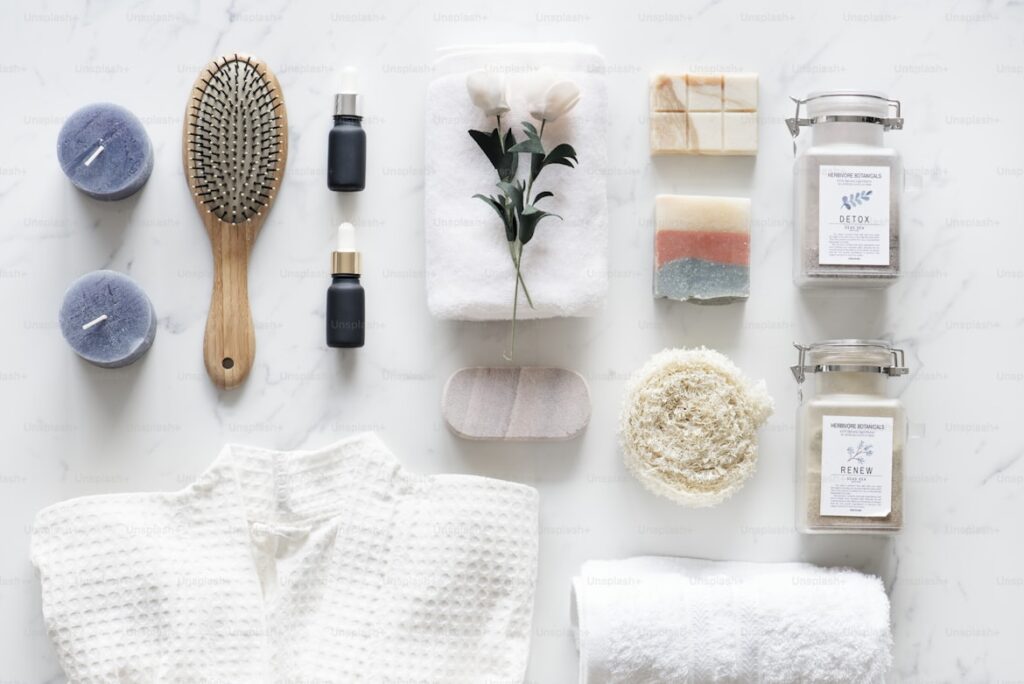
Why Sustainable Home Products Save More Than They Cost
Sustainable home products are household items designed to last longer, reduce waste, or use fewer resources. The real win is not that they are “green.” It is that they quietly remove repeat spending.
What are sustainable home products?
A sustainable home product is anything that cuts down on waste, energy, water, or replacement cycles without making your life harder. That might be a smart thermostat, a refillable cleaner, or a simple set of rechargeable batteries. Sound familiar? Most people already own at least one product like this without thinking of it that way.
Here is the thing: buying sustainable home products is a lot like buying good shoes. A cheap pair may look fine on day one, but the better pair is the one still working after a year of hard use. The same logic applies at home, especially if you are trying to reduce clutter and spending at the same time.
According to ENERGY STAR, LED lighting uses up to 90% less energy than incandescent bulbs and can last up to 25 times longer. That is exactly why some eco home products are not just “better for the planet” — they are better for your budget too.
The hidden cost of cheap household items
Cheap products often fail in the same boring ways: flimsy plastic cracks, batteries die early, cleaners come in single-use packaging, and low-grade parts wear out faster than you expect. Then you buy them again. And again.
What nobody tells you is that the most expensive product is often the one you replace the most. A $4 item that dies every month is not a bargain. It is just a small payment plan for frustration.
A real-life switch that cut waste and monthly spending
A few years ago, I worked with a homeowner who kept buying disposable cleaning refills, bargain light bulbs, and disposable batteries because each purchase felt harmless. By the end of the month, the “small stuff” was adding up in a way she never noticed on the receipt.
We switched her to Philips LED bulbs, refillable cleaners, and a rechargeable battery kit. Nothing about the house looked dramatic afterward, but the pattern changed fast: fewer shopping runs, less trash, and less money leaking out in tiny pieces. That is the part people usually miss. The savings show up like background noise until one day you realize the noise stopped.
💡 Key Takeaway: The best sustainable home products are not the flashiest ones. They are the items that remove repeat buying, lower utility use, and keep doing the job long after the cheaper option has already failed.
Which Sustainable Home Products Give the Best Return on Investment?
The best return usually comes from products that are used every day, wear out slowly, and directly affect energy or water use.
Quick comparison of upfront cost, lifespan, and long-term savings
| Product | Upfront Cost | Typical Lifespan | Long-Term Savings Potential | Best For |
|---|---|---|---|---|
| LED light bulbs | Low | Very long | High | Every home |
| Smart thermostat | Medium | Long | High | Homes with HVAC use |
| Rechargeable batteries | Medium | Long | High | Families, remotes, toys |
| Refillable cleaning products | Low to medium | Ongoing | Medium to high | Kitchens, bathrooms |
| Wool dryer balls | Low | Long | Medium | Frequent laundry |
| Reusable food containers | Medium | Long | Medium | Meal prep, leftovers |
LED bulbs are the easy win here, hands down. Smart thermostats are the strongest choice when heating and cooling costs are a big part of the bill. Refill systems and rechargeables look less exciting on paper, but they are often the low-key one of the best swaps because they attack waste in places people ignore.
If you already like the mindset behind eco-friendly home habits, this is where those habits become tangible. The product choice is what turns good intentions into monthly savings.
The products I would buy first
If the budget is tight, I would start with these three:
- LED bulbs
- Rechargeable batteries
- Refillable cleaning products
That order works because it tackles frequent use first. The more often you touch an item, the faster it pays back.
Why this matters in a real house, not a theory
A family home runs differently from a showroom. Lights are on, laundry piles up, batteries disappear, and the thermostat gets touched by everyone. That is why sustainable household products are worth buying when they solve a real repeat problem, not just when they sound virtuous.
💡 Key Takeaway: Start with the products you use daily, not the ones that just look eco-conscious. The fastest savings usually come from energy, cleaning, and anything you keep buying over and over.
11 Sustainable Home Products That Are Worth Buying for Long-Term Savings
Now that we’ve covered why buying fewer, better products usually beats constantly replacing cheaper ones, let’s get practical. If you only upgrade a handful of things this year, these are the purchases I’d put at the top of the list.
1. LED Light Bulbs
LED bulbs remain the easiest sustainable home product to recommend. They consume significantly less electricity than traditional incandescent bulbs while lasting for years instead of months.
They’re also one of the rare upgrades that benefit nearly every household, whether you own a home or rent an apartment.
Best for: Every household
Worth buying because: Low upfront cost, immediate energy savings, minimal maintenance.
2. Smart Thermostat
If you heat or cool your home regularly, this is where the biggest utility savings often happen.
A smart thermostat automatically adjusts temperatures based on schedules and occupancy. According to the U.S. Department of Energy, adjusting thermostat settings can reduce heating and cooling costs, and smart controls make those adjustments much easier to maintain consistently.
It’s not exactly cheap, but homeowners planning to stay in the same house for several years often recover the purchase cost through lower utility bills.
3. Stainless Steel Water Bottle
Disposable plastic bottles are surprisingly expensive when purchased week after week.
A quality insulated stainless steel bottle can last many years while keeping drinks cold or hot for hours.
Best for:
- Daily commuters
- Students
- Office workers
- Travelers
4. Glass or Silicone Food Storage Containers
Replacing disposable plastic bags and flimsy containers reduces waste while making meal prep much easier.
Glass containers also don’t absorb odors or stains, making them a solid option for families who cook frequently.
If you’re already working on reducing food waste, pairing reusable containers with these ideas from Zero Waste Kitchen Ideas makes an even bigger difference.
5. Refillable Cleaning Products
Refill systems reduce plastic packaging dramatically.
Instead of buying a brand-new spray bottle every month, you simply purchase concentrated refills.
Real talk: people often underestimate how many plastic bottles disappear from the house after switching.
6. Wool Dryer Balls
These little balls replace disposable dryer sheets.
They help separate clothing, improve airflow, and can shorten drying time depending on the load size.
They also last for hundreds—sometimes thousands—of loads.
7. Reusable Shopping Bags
Simple?
Absolutely.
But they’re still one of the easiest sustainable purchases because they’re used constantly.
Choose heavy-duty bags that actually survive years of grocery trips rather than promotional tote bags that rip after a few months.
8. Low-Flow Showerhead
Water-efficient showerheads have improved dramatically.
Older models often sacrificed comfort.
Modern versions maintain strong pressure while reducing water consumption.
If your utility bills include water charges, this upgrade usually pays for itself relatively quickly.
9. Rechargeable Batteries
Remote controls.
Wireless mice.
Game controllers.
Children’s toys.
These are exactly where disposable batteries quietly drain your wallet.
Rechargeable batteries can often be reused hundreds of times, making them one of the smartest reusable products available.
10. Countertop Compost Bin
Not every household composts.
And honestly, that’s okay.
But if you cook frequently, separating food scraps helps reduce landfill waste while producing nutrient-rich compost for gardens.
Apartment dwellers may prefer compact odor-controlled countertop models.
11. Smart Power Strips
Here’s where it gets interesting.
Many electronics continue drawing electricity even while “off.”
This is called standby power, which is electricity consumed by devices when they’re not actively being used.
Smart power strips automatically cut power to idle electronics, reducing unnecessary electricity use.
Are Eco Home Products Actually Worth the Higher Price?
Yes—but only when they replace something you use regularly.
Buying an expensive eco gadget you’ll barely use isn’t sustainable financially or environmentally.
On the other hand, replacing products that consume electricity every day, require constant replacement, or generate ongoing waste usually delivers the strongest return.
Here’s what many buying guides won’t say:
Sometimes buying nothing is the most sustainable choice.
If your current appliance still works efficiently, replacing it early simply because a newer “green” version exists may not reduce your overall environmental impact.
That’s an edge case many articles ignore.
How to Choose Sustainable Home Products Without Wasting Money
The easiest way to shop smarter is to slow down before clicking “Buy.”
Follow these six steps:
- Replace products you use every day before occasional-use items.
- Check expected lifespan, not just purchase price.
- Compare estimated annual operating costs.
- Look for repairable or refillable designs.
- Choose durable materials like stainless steel, glass, or solid wood whenever practical.
- Buy one quality product instead of several disposable alternatives.
Think of it like planting a tree.
The best time was years ago.
The second-best time is before your next unnecessary purchase.
If you’re looking for additional ways to reduce monthly expenses, you’ll also find practical ideas in Sustainable Home Swaps That Lower Utility Bills and Energy Saving Tips for Homeowners.
Sustainable Product Comparison
| Product | Initial Cost | Savings Speed | Lifespan | Overall Recommendation |
|---|---|---|---|---|
| LED Bulbs | Low | Fast | Excellent | ⭐⭐⭐⭐⭐ |
| Smart Thermostat | Medium | Medium | Excellent | ⭐⭐⭐⭐⭐ |
| Rechargeable Batteries | Medium | Fast | Excellent | ⭐⭐⭐⭐⭐ |
| Refillable Cleaning Products | Low | Medium | Very Good | ⭐⭐⭐⭐☆ |
| Wool Dryer Balls | Low | Medium | Excellent | ⭐⭐⭐⭐☆ |
| Compost Bin | Low | Slow | Excellent | ⭐⭐⭐⭐☆ |
The best overall recommendation?
If I had to choose only one, I’d start with LED lighting. It offers the lowest barrier to entry, works in almost every home, and starts reducing electricity use immediately.

Frequently Asked Questions
How to be more sustainable in 2026?
Start by buying fewer, better products instead of replacing cheap ones repeatedly. Focus on durable materials, refill systems, energy-efficient appliances, and reusable household essentials. Small upgrades made consistently usually outperform one expensive “green makeover.”
What are sustainable home products?
Short answer: they’re products designed to reduce waste, save energy or water, and last much longer than disposable alternatives. Good examples include LED bulbs, smart thermostats, reusable food containers, rechargeable batteries, and refillable cleaning systems. The best sustainable home products save both resources and money over their lifetime.
What are the best sustainable purchases?
For most households, LED bulbs, rechargeable batteries, smart thermostats, reusable food containers, and smart power strips offer the fastest payback. If your budget only allows one purchase, start with LED lighting because the return is usually the quickest.
Are reusable products always more environmentally friendly?
Great question—and honestly, most people get this wrong.
Only if they’re actually reused enough times.
A reusable bottle left in the cupboard isn’t helping anyone. Buying one durable product you’ll use daily is usually a much better decision than collecting dozens of “eco” items you rarely touch.
What is the future of sustainable products?
Manufacturers are moving toward products designed for longer life, repairability, refill systems, and lower energy use. According to the U.S. Environmental Protection Agency, reducing waste through reuse is a key part of a more sustainable economy, while ENERGY STAR continues to expand standards for energy-efficient home products. These trends mean future products will likely focus as much on durability as environmental impact.
Useful references:
- U.S. Environmental Protection Agency – Reuse and Waste Reduction: epa.gov
- ENERGY STAR – Energy Efficient Products: energystar.gov
Your Next Smart Home Upgrade Starts Here
You don’t need to replace everything you own to build a more sustainable home.
Start with one product that solves a problem you deal with every week. Replace the things that wear out fastest, waste the most energy, or keep showing up on your shopping list. Over time, those small decisions stack together into lower bills, less clutter, and a home that’s simply easier to live in.
If you ask me, that’s what sustainable home products are really about—not perfection, but making smarter purchases that continue paying you back long after you’ve forgotten what they cost.

Olivia Bennett is a LEED Green Associate and sustainable home consultant with 13 years of experience helping homeowners reduce energy consumption and create environmentally responsible living spaces. She regularly contributes to sustainable housing publications.
Now share tips ”Sustainable Living” on “refinedlivin.com“
